Mastering Transportation and Daily Living Infrastructure
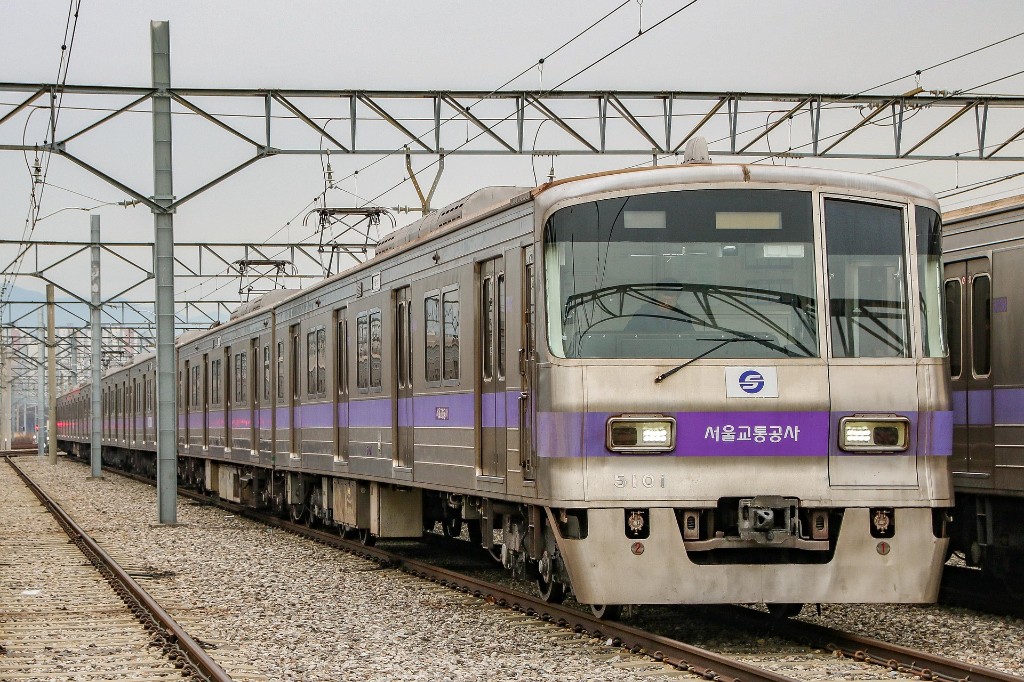
Now that you have completed your administrative procedures, it is time to become an independent resident who can navigate and manage daily life in Korea with ease. This infrastructure is essential to drastically reduce your daily stress.
1. Mastering the Transportation System
T-money Card
This is your essential tool for public transport. Purchase a card at any major convenience store (GS25, CU, 7-Eleven, Ministop) and top it up with cash. Be sure to tap your card when boarding and exiting buses and subways to secure transfer discounts.
Navigation Apps
Google Maps is not accurate for public transit in Korea. Install Naver Map or Kakao Map, and set the language to English. These apps provide real-time routes, arrival times, and the best subway exits for your destination.
Taxi Services
Instead of hailing taxis on the street, use the Kakao T app. It allows you to call a taxi to your exact location, and registering your payment info in the app makes the process seamless and cashless.
2. Daily Digital Infrastructure
Delivery & Shopping
Coupang and other food delivery apps are the core of modern Korean life. Register with your new Korean phone number to enjoy fast, doorstep delivery for groceries and meals.
Independence in Daily Routines
- Familiarize yourself with utility bill payments (electricity, gas, water) via automatic transfer or in-person payments at convenience stores.
- Visiting local supermarkets and traditional markets will help you establish your own comfortable living routine.
3. Practical Tips for Adaptation (Troubleshooting)
- Waste sorting: Korea has strict recycling and waste disposal regulations. Check with your apartment management office or school to learn about local waste-sorting rules and how to use the mandatory prepaid garbage bags, known as Jong-ryang-je bags.
- Cultural adjustment: While things may feel unfamiliar at first, the infrastructure in Korea is incredibly convenient. Do not hesitate to ask local colleagues or neighbors if you encounter any difficulties—they are usually happy to help.
Final Thoughts
With your transportation and daily living infrastructure in place, you are ready to fully enjoy your life in Korea. Good luck with your journey!
ReadyKorea supports English teachers in their successful settlement and journey in Korea.
Ready to teach in Korea?
Browse free lesson plans—or explore more settlement guides on the ReadyKorea blog.
Apply with ReadyKorea →